
Decoding Lake Minnetonka: A Guide to Fishing one of Minnesota’s Most Popular Lakes
Lake Minnetonka isn’t one body of water; it’s a 14,000-acre jigsaw puzzle of 23 bays and shifting transitions. If you want to catch fish here consistently, you have to stop looking at the map and start looking at the conditions. Here is the “real-world” breakdown of how we fish this lake.:
Understanding Lake Minnetonka
First off, let’s get acquainted with the lake itself. It’s a large, sprawling lake with numerous bays, channels, and islands. This diverse structure means it holds a variety of fish species and offers different fishing experiences depending on where you are on the lake. Key species you’ll likely be targeting include:
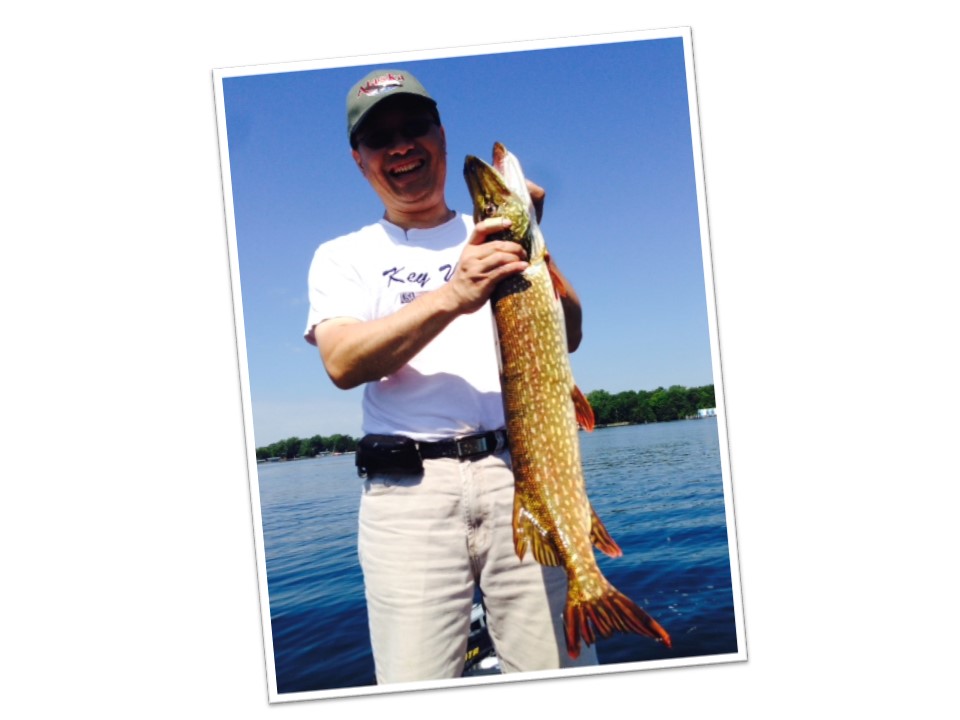
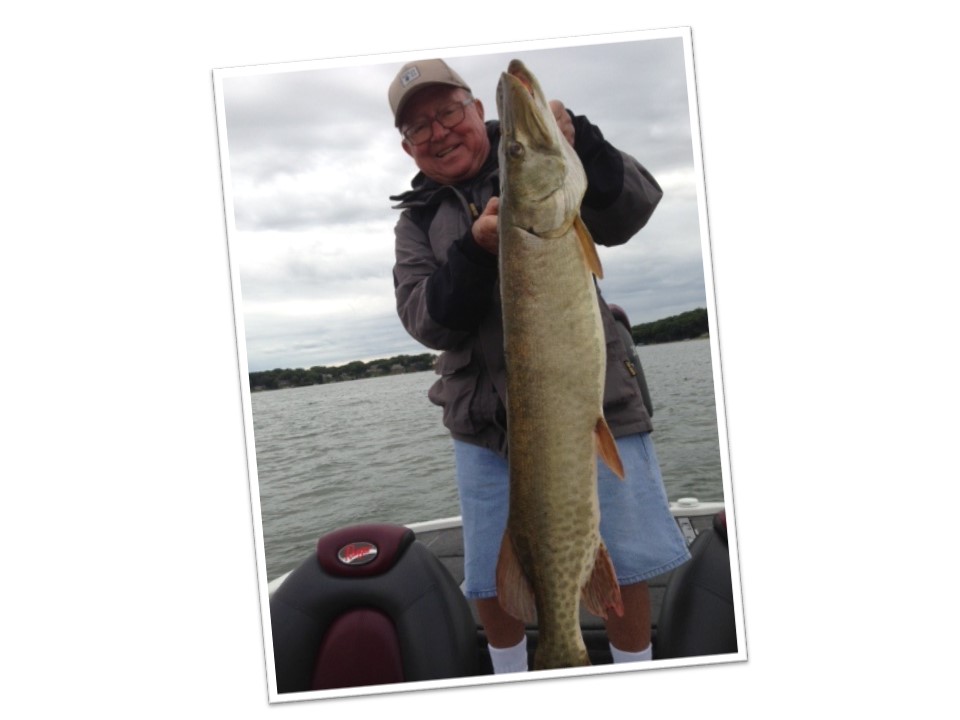
Muskellunge (Musky) and Northern Pike (Pike): These aren’t just “apex predators”; they are smart. During high-traffic weekends, they move to the “inside turns” of deep weed lines to avoid boat noise. I target them with braided line, bigger lures, specifically looking for “green” weeds as brown weeds are oxygen-poor and dead zones.
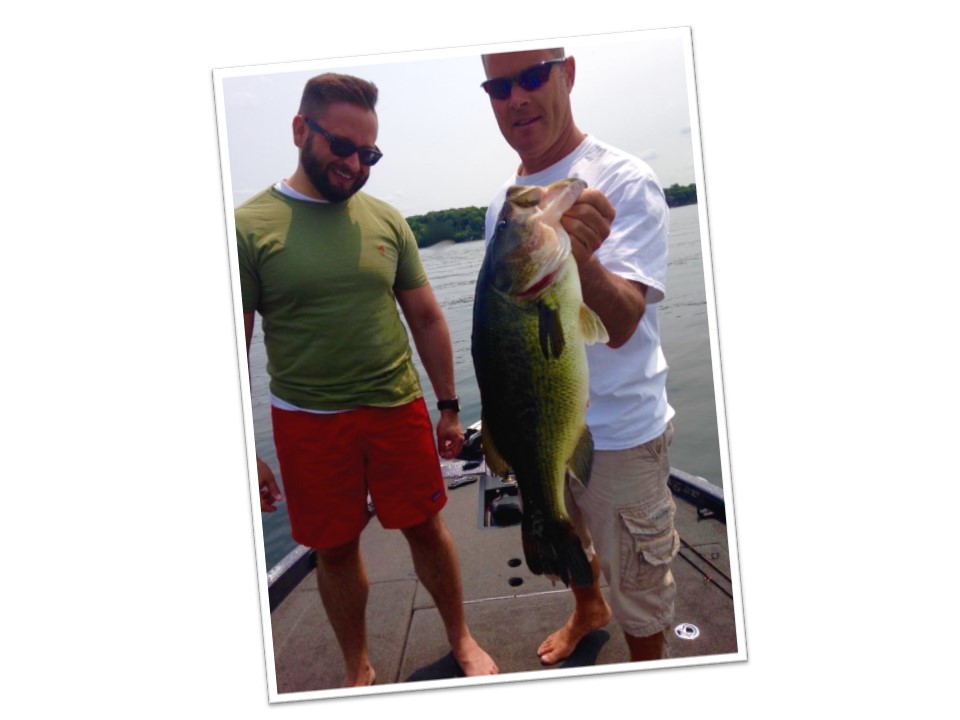
Largemouth and Smallmouth Bass: Smallies love the rocky transition points near the lower lake, while the greenbacks dominate the docks and heavy milfoil. My secret? Looking for docks with deep water access—they act as “fish hotels” during the heat of July.
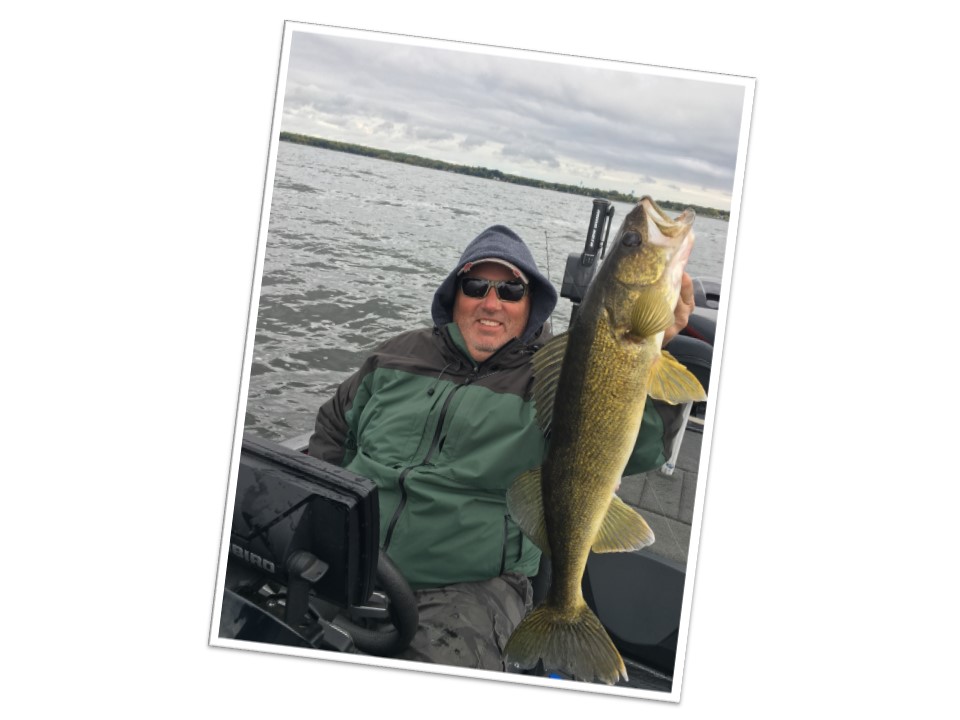
Walleye: There are better lakes in Minnesota for Walleye but Tonka is turning around. Spring and Fall will be best.
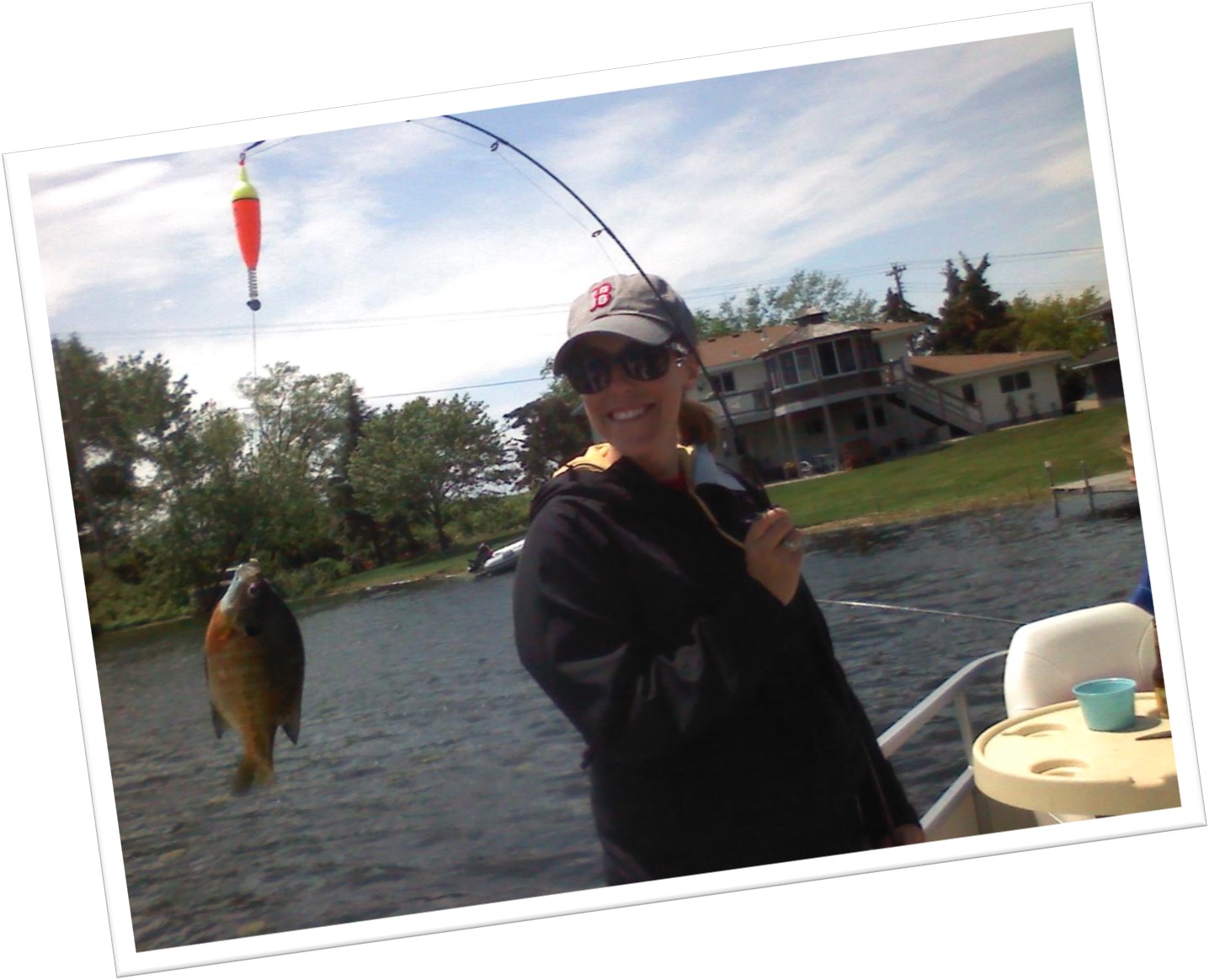
Sunfish (Bluegill, Pumpkinseed): Abundant and great for kids and family fishing.
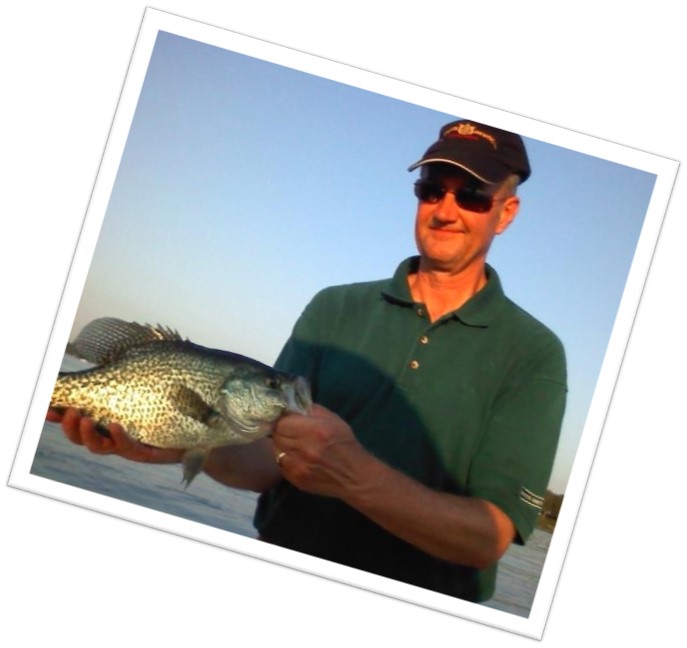
Crappie (Black and White): Schooling fish that can provide fast action. I find best in Spring or Winter.
When to Go: When are you able to go?
The time of year significantly impacts fish behavior and where you’ll find them:
Spring (Ice-Out to Early June): As the water warms, fish become more active. Look for walleye and northern pike in shallow bays and near spawning areas. Bass will start moving into shallower water to prepare for spawning. Panfish will also be active in warmer, protected areas. I find fish this time of year in Seton lake or shallow dock areas primarily on the Northern side, as this warms faster. If you arent seeing fish, move around quickly. When you find them, they will all be there.
Summer (Late June to August): Fish tend to move deeper to find cooler water. Focus on weed lines, drop-offs, and submerged structures for bass, walleye, and pike. Musky fishing can be productive, especially in the early morning or late evening. Panfish will often be found around docks and weed beds.
Fall (September to Ice-Up): As water temperatures cool, fish become more active again, feeding up for winter. Walleye often move shallower in the evenings. Musky fishing can be excellent as they become more aggressive. Bass will also be feeding actively before the cold sets in. As in the Spring, most of the fish move up shallow.
Winter (Ice Fishing): Lake Minnetonka freezes and we get to ice fish. With all the years I have been fishing this lake, I have seen it freeze over as early as October but typically we dont see it freeze until Novemeber. Always check ice conditions before heading out.
The right gear will make your fishing experience more enjoyable and successful:
Rods and Reels:
Musky/Pike: I use sturdy baitcasting rods (7-9 feet) with a high-capacity reel and strong line (65-100 lb braid).
Bass: My goto is Medium to medium-heavy spinning or baitcasting rod (6-7.5 feet) with 10-17 lb fluorocarbon or monofilament line.
Walleye: Medium-light to medium spinning rod (6-7 feet) with 6-10 lb line. I have found they are finicky, so lighter line the better.
Panfish: Light action spinning rod (5-7 feet) with 4-6 lb line. I find this very fun.
Lures and Baits: A well-rounded tackle box should include:
Musky: Pool cue with Bucktails, I like gold blades, jerkbaits, I like them big and topwater lures are my favorite.
Northern Pike: Spoons, spinners, jerkbaits, large soft plastics. For Minnetonka, my gotos are chatterbaits and lipless cranks.
Bass: I have found over the years a jig will consistantly catch bass, Spring, summer and fall. More bass on plastic worms or Neds and more people are using the dropshot. Topwater is always fun.
Walleye: Ya, live bait rigs or trolling are your best options. I have found that Spring and fall are the best times of year.
Panfish: Small jigs, ice flies, live bait (worms, waxworms, small minnows). I have found kids love catching fish and these guys do it!
Electronics: I run multiple units and brands to locate and stay on fish. Ya, livescope works and is invaluable for locating fish. GPS- seems crazy to think we didnt have it when I first started.
Other things to consider: Net, pliers, line cutters, measuring device, appropriate clothing, sunscreen, insect repellent, and a valid Minnesota fishing license is manditory.
On a lake as pressured as Minnetonka, generic techniques don’t always cut it. You have to refine your approach based on the bay, time of year, and the time of day. I have learned over the years that this lake changes and so do the fish. Over the past few years, since the Zebra Mussels moved in, we are fishing deeper and deeper.
From a local guide, take it from me, This lake gets busy. I pride myself on “low-impact” guiding—keeping a respectful distance from other anglers and following no-wake zones strictly. The Sheriff and others are watching. Good luck and tight lines!